

Representation Watch looks closely at how people and identities are portrayed across today’s media. We do this independently and in public. Our work starts with careful analysis, but it does not end there. Over time, consistent scrutiny and clear criticism change how media organisations respond. That is the space we work in.
We pay attention to patterns. Not just single controversies, but repeated choices that shape how audiences see the world. Who is centered. Who is sidelined. What keeps happening, even after concerns have been raised. Our analysis is independent and not shaped by commercial interests. We publish our work openly and do not seek approval before doing so.
Alongside this public scrutiny, Representation Watch also engages directly with parts of the media industry. Over the years, we have worked with major broadcasters, studios, and platforms including the BBC, NBC, ABC, Fox, HBO, Netflix, and Amazon Prime Video.
Working with the industry does not replace criticism. It exists alongside it.
In some contexts, we are invited into conversations about representation, portrayal, and audience impact. This can involve advisory work, consultation, or participation in internal discussions about content and standards. In other cases, our influence is indirect. Media organisations read our analysis, respond to it publicly or privately, and adjust their thinking as a result.
Influence does not always come from partnership or endorsement. Media decisions are shaped by how work is received, discussed, and challenged once it is released into the world. Ongoing external scrutiny changes that environment. It affects reputations, risk, and long-term decision-making. Representation Watch contributes by making patterns hard to ignore and by refusing to treat repeat issues as isolated mistakes.

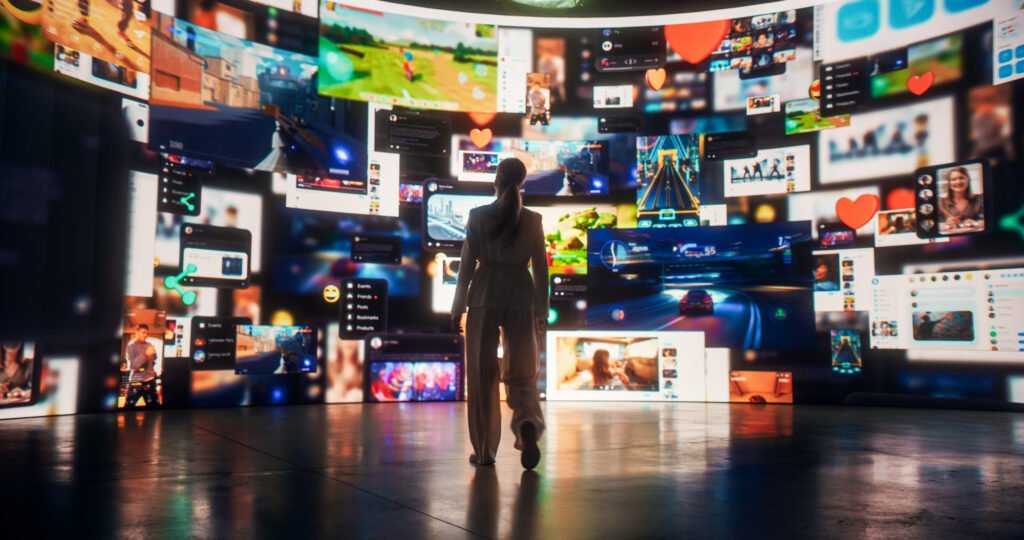
We look across a wide range of media. This includes cinema, broadcast television, streaming platforms, advertising, and digital-first content. We analyse drama, entertainment, children’s programming, factual output, and news-adjacent media. We also track representation in video games, online video, influencer culture, and social media, where ideas about identity and power increasingly take shape.
This range matters because media does not exist in neat categories. Trends move quickly from one space to another. A casting choice in television influences streaming originals. A viral format reshapes advertising. A social media backlash changes how studios assess risk. We follow those connections rather than treating each medium in isolation.
Representation Watch does not claim to decide what art should be. We are not here to replace creative judgment. Our role is simpler and harder at the same time. To watch closely. To document clearly. To challenge when patterns persist. And to engage when engagement can make a difference.
By combining public scrutiny with direct engagement, Representation Watch occupies a position that can be uncomfortable but necessary. Influence, for us, is not about control. It comes from persistence, clarity, and the steady pressure that builds when powerful institutions know they are being watched.