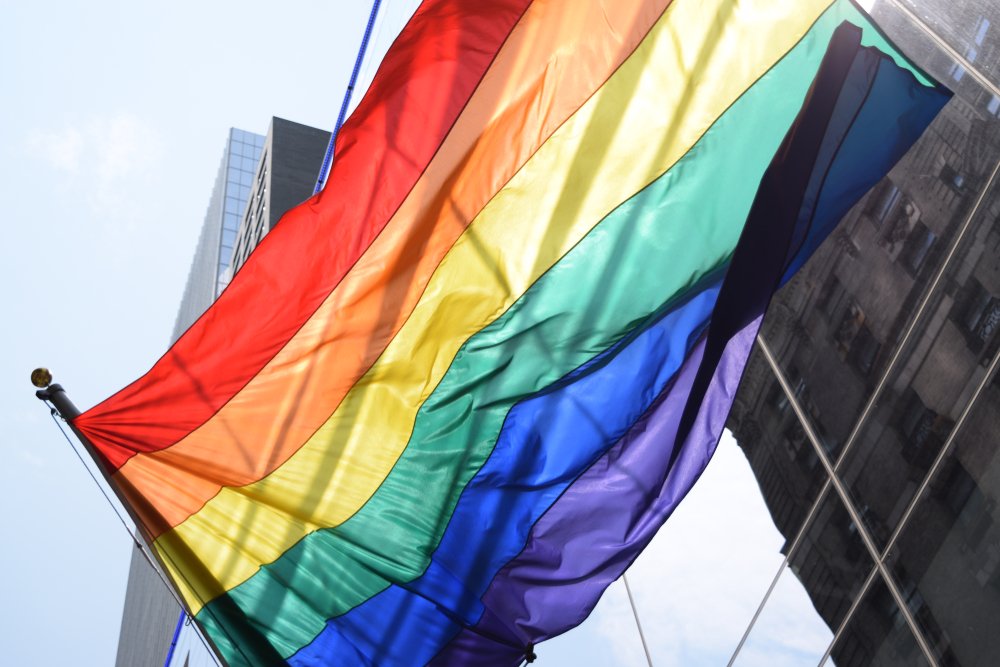
Every June, global brands suddenly find their voices. Logos shift into rainbow palettes. Limited-edition products appear. Social feeds fill with declarations of allyship. For a few weeks, LGBTQ+ visibility becomes a marketing asset, neatly packaged and widely distributed. Then July arrives, and the messaging quietly disappears.
This cycle has become so familiar it now has a name. Pride branding. The practice of aligning with LGBTQ+ symbolism during Pride Month without demonstrating sustained, year-round support for LGBTQ+ people. On the surface, this visibility can feel affirming. But when branding outpaces action, representation turns hollow.
Pride did not begin as a marketing opportunity. It emerged from protest, resistance, and collective risk. The symbolism carries that history whether corporations acknowledge it or not. When companies adopt Pride aesthetics without engaging with that reality, they turn a political movement into seasonal decor.
The problem is not that companies participate in Pride at all. Visibility in mainstream spaces can matter. The issue is selectivity. Many brands that celebrate Pride in public simultaneously fund political actors who oppose LGBTQ+ rights, enforce workplace policies that fail queer and trans employees, or remain silent when those communities are targeted outside of June.
Take the recurring criticism aimed at major corporations whose Pride campaigns exist alongside contradictory behavior. Disney has faced scrutiny over public support for LGBTQ+ inclusion while also navigating internal and political pressures that have resulted in muted or delayed responses to legislation affecting LGBTQ+ communities. For critics, the concern is not inconsistency alone, but calculation. Support is expressed when it is safe, profitable, and brand-enhancing, then withdrawn when it risks conflict.
Similarly, Nike has been praised for inclusive advertising and Pride collections, yet questioned over supply chain practices and international markets where LGBTQ+ identities are criminalized. Pride branding often stops at borders where inclusion might threaten revenue.
Another recurring example appears in the banking, tech, and retail sectors. Companies change their social media avatars to rainbow logos in Western markets, while keeping those same logos unchanged in regions where LGBTQ+ visibility is considered controversial. The message this sends is subtle but clear. Support is conditional. Visibility is negotiable.
This pattern is often defended as pragmatism. Brands argue they must respect local laws or cultural norms. But that logic collapses when those same companies have no trouble exporting other values globally. Innovation, ambition, disruption, and individualism travel freely. Queer dignity, apparently, does not.
Pride branding also tends to flatten LGBTQ+ identities into a single, celebratory aesthetic. Rainbow imagery dominates, while more complex realities are sidelined. Trans rights, healthcare access, homelessness among queer youth, and violence against LGBTQ+ people rarely make it into brand narratives. Celebration replaces solidarity. Joy replaces responsibility.
Even internally, Pride campaigns can ring hollow. Employees at some companies have spoken out about rainbow merchandise launched alongside inadequate benefits for trans workers, lack of protections against discrimination, or silence in the face of harassment. When internal culture does not match external messaging, Pride becomes a performance staged for consumers rather than a reflection of values.
Representation Watch views this not as hypocrisy alone, but as a structural branding habit. Pride is treated as a moment, not a commitment. A campaign, not a position. The cost of this approach is borne by LGBTQ+ communities who see their identities leveraged for profit, then discarded when attention shifts.
There are brands attempting to do better. Companies that support LGBTQ+ organizations year-round, advocate publicly during legislative fights, and maintain inclusive policies even when it draws backlash. These efforts are often quieter, less aesthetic, and more costly. They rarely trend on social media. That is precisely why they matter.
Pride branding without year-round support does not just dilute a movement. It reshapes public expectations. It teaches audiences that allyship is seasonal, symbolic, and optional. That support can be switched on and off like a logo variant.
True solidarity is not limited to a calendar window. It shows up when the spotlight is gone, when the issue is contentious, and when there is something to lose. Until corporate Pride reflects that reality, rainbow branding will continue to feel less like inclusion and more like opportunism dressed up as progress.