
Hollywood has a long history of telling queer stories, from early coded characters in classic cinema to openly gay narratives today. But one pattern has been persistent: many of the most prominent gay characters on screen are portrayed by straight actors. This practice has generated an ongoing debate about authenticity, opportunity, and what representation actually means in a medium built on performance.
This isn’t a new conversation, but it has become sharper as audiences, creators, and industry insiders question not just who is portrayed, but who gets cast and who gets left out.
The Numbers and the Context
Overall LGBTQ inclusion in mainstream film remains limited: a recent study found that only around 23.6% of major studio releases in 2024 included LGBTQ characters – down from past years – and those roles remain concentrated in smaller, often independent films or supporting parts. Meanwhile, even where queer characters appear, casting decisions are often disconnected from lived experience.
Data from the Williams Institute shows that a majority of heterosexual performers (71%) have never played a gay role, while 58% of gay and lesbian performers and a third of bisexual performers have. But a significant percentage – nearly 29% of straight performers – have played lesbian or gay roles at least once. That gap in opportunity reflects broader industry dynamics rather than personal choice alone.
A Long-Running Debate
The question is not simply whether straight actors can portray gay characters convincingly. Acting, after all, is the craft of becoming someone else. But many critics argue that when queer roles are scarce and queer actors face barriers to work, casting straight actors in those roles is not just about interpretation – it’s about who gets to tell these stories and who gets left behind.
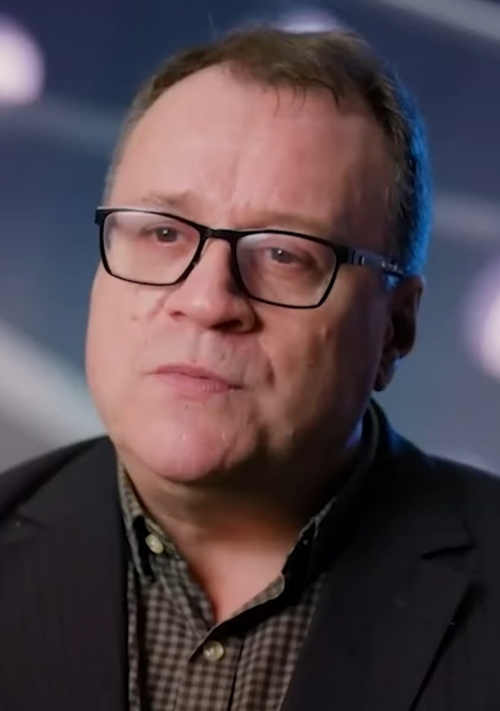
Showrunner Russell T Davies, known for groundbreaking work such as Queer As Folk and It’s A Sin, has been vocal on this point. Davies has argued that casting straight actors in gay roles can be analogous to inappropriate forms of representation – “You wouldn’t cast someone able-bodied and put them in a wheelchair, you wouldn’t black someone up,” he said in discussing why he only casts gay actors in gay roles when possible.
His stance reflects a view shared by many LGBTQ advocates: that authentic representation matters not just on screen, but in who gets to occupy creative and acting spaces.
Historical Examples and “Pinkface”
The entertainment canon includes many celebrated performances by straight actors portraying gay characters. The term “pinkface” has emerged in criticism of this practice – a parallel to “blackface” – describing straight actors playing LGBTQ roles without addressing the power dynamics involved.
Examples abound in both film and television:
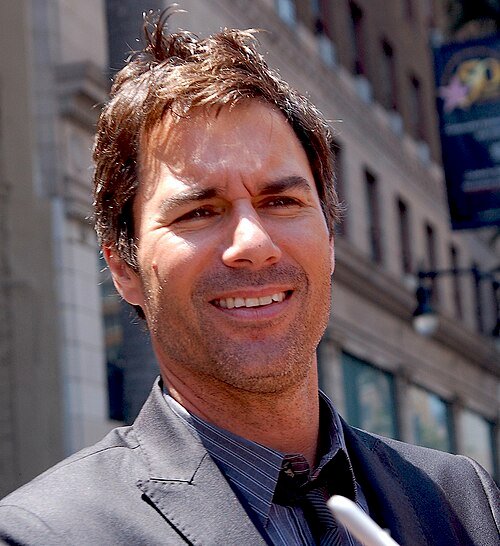
- Eric McCormack, a straight actor who played Will Truman on Will & Grace, has defended the practice as part of acting, noting that if gay actors were restricted to gay roles only – and straight actors to straight roles – it would limit artistic freedom. But his comments also illuminate the underlying imbalance of opportunity.
- Films like Call Me By Your Name starred straight actors Armie Hammer and Timothée Chalamet in a gay romance, and Brokeback Mountain cast straight actors Heath Ledger and Jake Gyllenhaal as lovers. These performances were widely praised, even as critics pointed out that queer actors rarely receive similar visibility or prestige roles.
At the same time, some straight actors have publicly questioned their own participation in this dynamic. Actor Darren Criss, known for several high-profile queer roles, announced in 2018 that he would no longer take gay roles as a straight actor, citing discomfort about “taking up someone’s space” that might otherwise go to LGBTQ performers.
And more recently, Nicholas Galitzine – known for roles including a gay prince in Red, White & Royal Blue – has spoken openly about feeling guilt and uncertainty around playing queer characters as a straight man, recognising the broader conversation about space and opportunity.
Perspectives Within the LGBTQ Community
There is no universal opinion within queer communities on this topic. Some argue that strict role-casting rules risk boxing actors into narrow paths, or that outing or speculating about actors’ real-world sexualities is invasive. Others emphasize that acting is about embodying experience beyond one’s own life – and that queer roles must be compelling and nuanced, regardless of who plays them.
At the same time, surveys indicate that queer audiences feel representation is still uneven. For example, in the UK, only about 36% of LGBTQ people said they felt media portrayed lesbian, gay, and bisexual people positively, and a sizable portion felt representation skewed negative – especially regarding transgender and non-binary identities. This reflects broader concerns that even when queer characters appear, the way they’re presented – and who presents them – shapes meaning.
Why It Matters
The central issue isn’t about policing who can act at all. Actors should be free to explore a range of human experiences. The concern is about power, opportunity, and structural imbalance. When queer roles are rare, and when those roles regularly go to straight actors while LGBTQ actors are overlooked – even for straight parts – a broader inequality is reinforced.
Research from the Williams Institute highlights another important point: many LGBTQ actors are cautious about playing gay roles because of typecasting and career risk, which creates a paradox where even queer actors may face limits in the roles they are offered.
The debate over straight actors in gay roles resonates with wider conversations about representation across gender, race, disability, and other dimensions of identity. True inclusion isn’t just about character count on screen – it’s about who gets access, agency, and opportunity in creating and embodying stories.
Examining the Balance
Representation Watch does not argue for rigid rules that prevent straight actors from portraying gay characters under all circumstances. What we do highlight is the broader context: queer stories have been marginalised in mainstream media for decades. Opportunities for LGBTQ actors remain limited. Casting decisions do not happen in a vacuum; they affect visibility, career momentum, and cultural understanding.
Meaningful progress means expanding roles, opening casting doors equitably, and ensuring that queer actors – like queer stories – are not treated as novelty but as an integral part of the narrative landscape.
The question is not whether a straight actor can play a gay role. It is whether the industry can move toward a system in which LGBTQ actors no longer have to wait on the margins for space, visibility, and recognition – and where queer stories are told with both authenticity and artistic integrity.
.png)
