Acting is at once imaginative and intimate. Good acting requires empathy, research, and commitment. But there’s a difference between imagining a character and stepping into a lived condition that has been persistently marginalised and misunderstood. Nowhere is this tension more visible than in the portrayal of autistic and neurodivergent characters by neurotypical actors.
For decades, popular film and television have given audiences stories featuring autism, ADHD, and related neurodivergence. Many of these performances have been praised – nominated for awards, lauded for sensitivity. Yet beneath the applause is a recurrent critique: why are neurotypical actors repeatedly cast in roles that centre neurodivergent experiences? And what does that say about systemic access, representation, and understanding?
A familiar pattern
Some of the most widely seen portrayals of autistic characters have been performed by neurotypical actors. A few high-profile examples:
- Anthony Hopkins played an autistic man in The Elephant Man (1980), a role that involved layers of interpretation rather than lived experience.
- Adam Sandler portrayed an autistic adult in The Meyerowitz Stories (2017), a performance critics debated for both its sensitivity and its broad strokes.
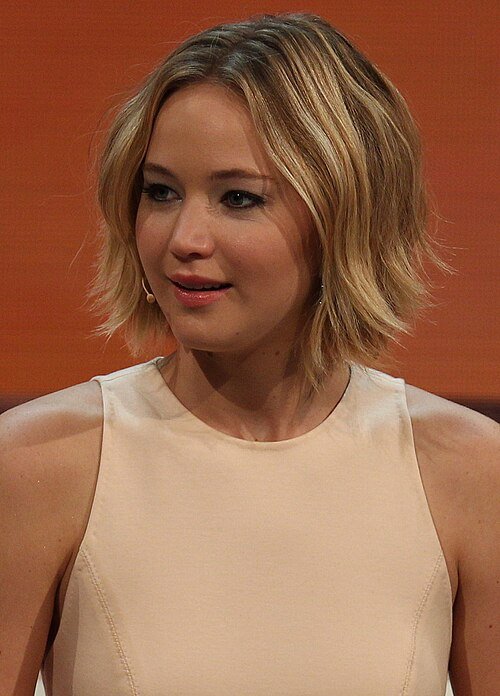
- Jennifer Lawrence appeared as a young woman with autism in Don’t Look Up (2021), a choice that drew mixed response regarding authenticity and nuance.
These performances are often defended on the basis that actors are actors, that part of the craft is to portray lives and identities beyond one’s own. But when those portrayals dominate the cultural landscape while autistic and neurodivergent actors continue to be underrepresented – not just in neurodivergent roles, but across the board – the pattern raises structural questions.
What the data says
Research into neurodivergent representation is not as extensive as studies on race or gender, but growing work points in a consistent direction:
- Neurodivergent characters are still rare in mainstream media compared with their real-world prevalence. Autism alone is estimated to affect approximately 1 in 54 children in the U.S. – yet only a small fraction of film and TV narratives centre autistic characters.
- When autistic or neurodivergent characters do appear, they are disproportionately played by neurotypical actors. This parallels older patterns of disabled roles being portrayed by non-disabled actors – an issue also critiqued by disabled actors and advocates.
The consequence is twofold: audiences see a narrow set of portrayals that may feel representational on the surface, but those portrayals don’t come from a place of lived insight, and the real community that the character belongs to still has limited professional access.
Representation vs authenticity
Critics of neurotypical casting don’t argue that only neurodivergent actors can play neurodivergent characters. Rather, the critique is about equity of opportunity and authenticity of perspective.
If a deaf character is played by a hearing actor, deaf actors and advocates raise questions. If a trans character is played by a cis actor, the response has been increasingly critical. Why then, with autistic characters, is there sometimes less consistent pressure for authenticity – especially when so many neurodivergent actors can and do bring depth, nuance, and lived insight to roles?
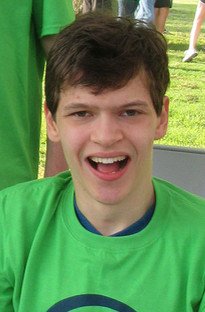
For example:
- Actual autistic actors like Micah Fowler have gained praise for roles that reflect lived experience – Fowler’s performance in Speechless was widely regarded as a breakthrough both for visibility and for authenticity.
- When autistic actors are cast, conversations around representation often shift from reduction (“here’s a checklist of traits”) to dimension (“here’s a human being with complexity”).
Autistic advocates have consistently emphasised that representation is not just about being seen, but about being felt, understood, and involved in the storytelling process.
Why casting choices matter
Representation in media does not just reflect culture – it shapes perception. When audiences regularly see neurodivergence portrayed as an object of observation or a performance challenge, it reinforces stereotypes about accessibility, about “otherness,” and about who is allowed to tell which stories.
Casting a neurotypical actor in a neurodivergent role can reinforce the idea that neurodivergent identity is something that can be put on and taken off, rather than a lived condition with social, sensory, and emotional realities. This is similar to long-standing critiques of removing agency from other marginalised groups on screen.
But more than symbolism, there is a practical outcome: when major studios keep offering neurodivergent roles to neurotypical actors, they are not investing in building the careers of neurodivergent performers. They are not expanding the pool of experienced neurodivergent talent. They are not diversifying the industry.
A richer narrative is possible
Some recent work has pointed toward more inclusive practices. Neurodivergent creators, writers, and actors have begun to shift the landscape. Independent and streaming productions, in particular, have space to foreground authentic voices.
Critically, when autistic and neurodivergent actors appear in roles – whether neurodivergent characters or characters whose neurodivergence is not central to the plot – their presence normalises diversity rather than exoticises it.
Representation Watch sees this issue as part of a larger conversation about who gets to animate stories and who gets to be seen as a full human being on screen. Inclusion is not just about characters; it is about creating conditions in which neurodivergent actors have sustained access to the range of roles that define a career.
Questions worth asking
- When neurodivergent roles are written, who is in the room shaping the character?
- When auditions are held, are neurodivergent actors actively considered – not as a box to tick, but as viable talent with a range of approaches?
- When media celebrates a neurotypical actor’s portrayal of neurodivergence, does it also reflect on why neurodivergent actors are not being similarly uplifted?
The question is not whether neurotypical actors can portray neurodivergent characters. It is whether the industry is ready to shift from a model of representation that centres virtuosity to one that centres equity.
Because until that shift happens, the stories we see on screen will always fall short of the richness of the world they are meant to reflect.