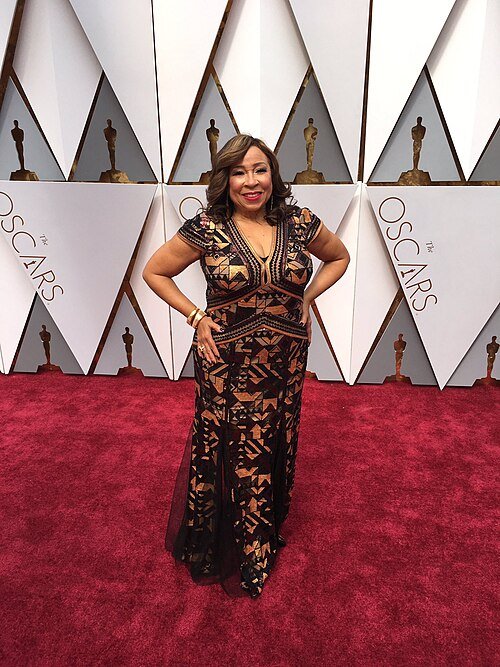
Cultural exchange is part of everyday life. Cultures influence one another all the time, and that exchange is not a problem in itself. The issue begins when sharing turns into taking. When cultural meaning is lifted out of context and reused without credit, care, or connection to the people it comes from.
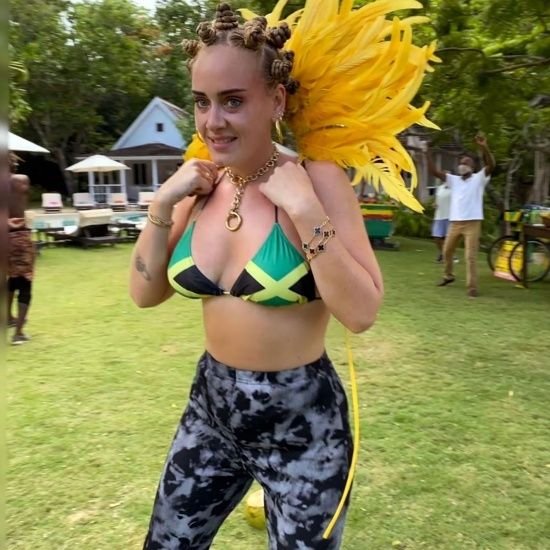
Representation Watch looks at how cultural symbols, styles, language, and traditions are often separated from the communities that created them and reused for entertainment, branding, or attention. In these moments, culture stops being something lived and becomes something decorative. A look. A vibe. A shortcut.
This pattern is familiar. A practice or symbol may be mocked, ignored, or discouraged when used by the community it belongs to. Then, once it is adopted by someone with more visibility or power, it becomes fashionable or profitable. Suddenly it is celebrated, while the people it came from remain sidelined. Credit is rarely given, and material benefit almost never flows back.
Attribution matters because culture is not an idea floating in the abstract. It belongs to real people who face real consequences for expressing it. Some are penalized, excluded, or stereotyped for the same things others are praised for. When that imbalance is ignored, appropriation hides behind the language of appreciation.
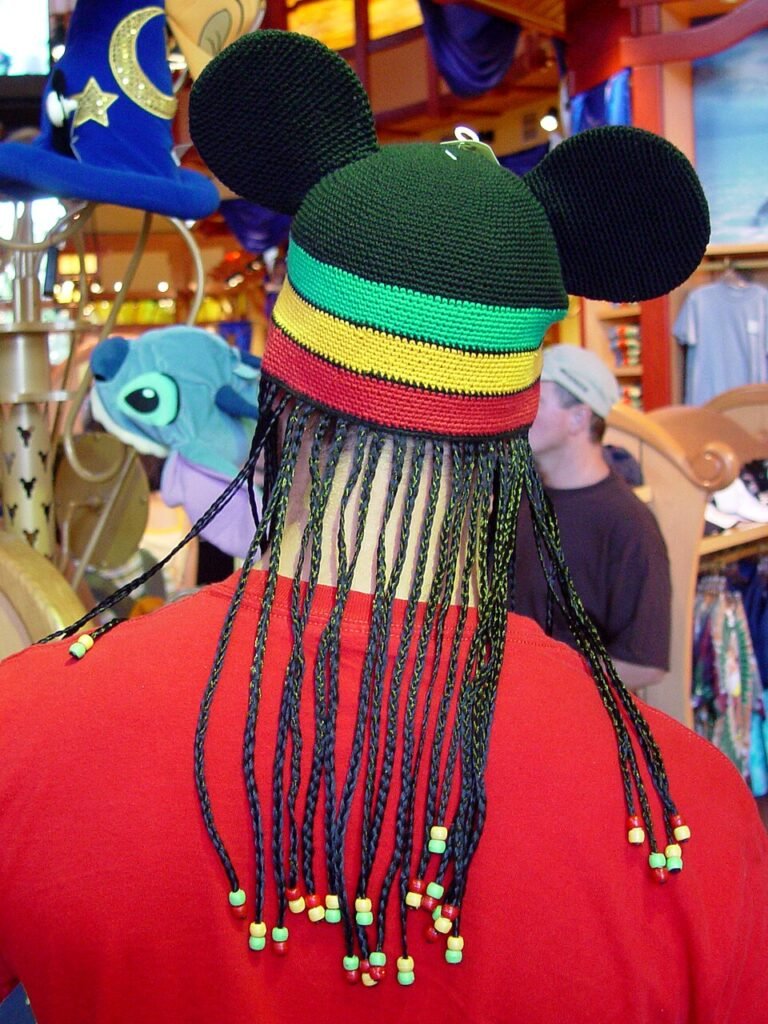
The issue is not simply about exposure. It is about power. Who gets to benefit. Who gets to speak. Who is seen as an originator, and who is treated as background or inspiration without authorship.
Representation Watch makes a distinction between participation and appropriation by looking at context and outcome. We ask whether cultural use leads to understanding or just consumption. Whether it opens doors for the communities involved or quietly steps around them.
By tracking repeated patterns of appropriation and misattribution, we aim to move conversations away from intent and toward impact. Culture deserves to be engaged with thoughtfully, not stripped for parts and reused as visual shorthand.