
In film and television, disability is often treated as something to be performed rather than lived. When disabled characters appear in mainstream stories, they are overwhelmingly played by able-bodied actors. This pattern has been so normalised that it is often defended as tradition, craft, or creative freedom, even as disabled actors remain among the most excluded groups in the industry.
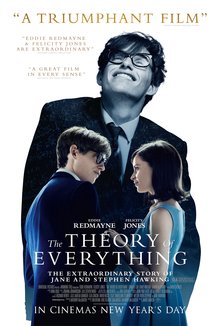
The issue is not new, and it is not subtle. Again and again, high-profile films about disability are built around non-disabled performers, praised for their “transformations,” and rewarded with awards and prestige. Meanwhile, disabled actors continue to report limited access to auditions, a lack of representation in leading roles, and pressure to conceal their disabilities in order to be considered for work at all.
One of the most cited examples is The Theory of Everything, in which Eddie Redmayne portrayed physicist Stephen Hawking. The performance was widely celebrated, earning Redmayne an Academy Award. Much of the praise focused on the physical detail of the portrayal, framing disability as a technical challenge overcome through skill and dedication.
That framing is revealing. Disability becomes a measure of difficulty rather than a lived experience. The more convincing the imitation, the greater the acclaim. What is rarely discussed in the same breath is why actors who live with similar disabilities are so seldom considered for those roles in the first place.
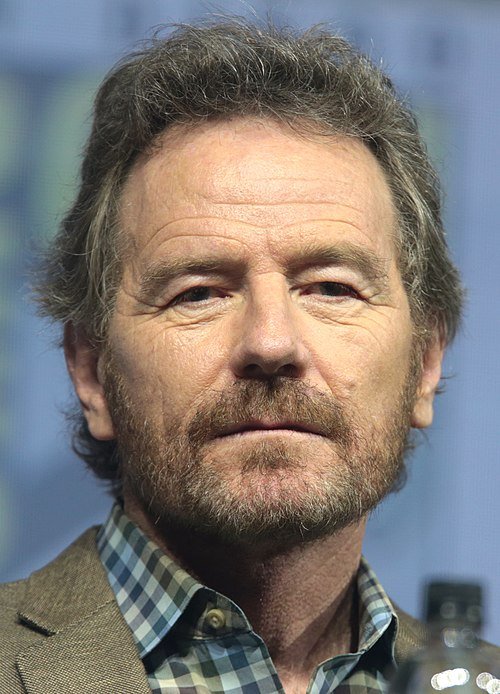
This pattern extends far beyond a single film. Leonardo DiCaprio received early career acclaim for his role in What’s Eating Gilbert Grape, a performance that is still described as one of the most “authentic” depictions of intellectual disability in cinema. Bryan Cranston starred in The Upside, playing a wheelchair user, despite criticism from disability advocates about the absence of disabled voices both on and off screen.
In each case, the defence is familiar. Acting, we are told, is about becoming someone else. Casting should be open. Talent should come first. These arguments sound reasonable until they are tested against reality. Disabled actors are rarely given the same openness when auditioning for non-disabled roles. Flexibility tends to move in one direction.
Research supports what many disabled performers have long said. Studies by organisations such as GLAAD and the USC Annenberg Inclusion Initiative consistently show that disabled characters are rare in popular film and television, and when they do appear, they are far more likely to be portrayed by non-disabled actors. Behind the camera, disabled creatives are even more scarce.
The consequences of this imbalance are not abstract. When disability is framed primarily as something to be simulated, it reinforces the idea that disabled people are objects of observation rather than participants. Stories centre on struggle, inspiration, or tragedy, while everyday disabled lives remain largely invisible. Disability becomes a narrative device rather than a dimension of human experience.
Awards culture plays a significant role in sustaining this dynamic. Performances involving visible disability are often treated as inherently serious or brave. They are positioned as proof of an actor’s range. This creates a perverse incentive: disability is valued when it can be taken on and taken off, not when it exists continuously.
It also shapes public understanding. Audiences become accustomed to seeing disability through the lens of performance rather than reality. They learn to associate disability with suffering, heroism, or limitation, rather than complexity, agency, or normalcy. These representations feed back into real-world attitudes about capability, employment, and inclusion.
None of this requires assuming bad intent. Many able-bodied actors approach these roles with care and sincerity. The problem is structural. When sincerity substitutes for access, the outcome does not change. Disabled actors remain excluded, while stories about them circulate widely.
Progress does not mean forbidding non-disabled actors from ever portraying disability. It means changing the baseline. Disabled actors should be the first, obvious choice for disabled roles. They should also be considered routinely for roles that are not written around disability at all. Representation improves not when disability is treated as exceptional, but when it is treated as ordinary.
Some recent projects have begun to move in this direction, casting disabled actors in roles that allow for humour, romance, and complexity rather than symbolism alone. These examples demonstrate what many advocates have long argued: authenticity is not a limitation on storytelling. It expands it.
Representation Watch views the continued dominance of able-bodied portrayals as a sign of how slowly the industry’s assumptions have shifted. The question is no longer whether able-bodied actors can convincingly play disabled characters. History has answered that. The question is why disabled actors are still so rarely trusted with the same opportunities, budgets, and visibility.
Until access is treated as central rather than optional, the same performances will continue to be praised, the same arguments will continue to be recycled, and disabled people will continue to be represented without being included.
That is not an artistic inevitability. It is a choice.

_(cropped).jpg)