
Asian people have been present in Western cinema since its earliest decades. Yet for most of film history, that presence has been shaped less by visibility than by distortion. Asians have been cast as threats, curiosities, sidekicks, or symbols, rarely as full participants in the emotional centre of stories. Even today, when progress is often celebrated, the underlying patterns remain uneven.
One of the most persistent features of Asian representation is absence. Numerous industry studies have shown that Asian characters are significantly underrepresented relative to population size, particularly in leading roles. When they do appear, they are often confined to narrow functions that limit complexity and agency.
Historically, this absence was reinforced by outright exclusion. In the early and mid-20th century, Asian characters in Hollywood films were frequently played by white actors in yellowface. These portrayals were not subtle. They exaggerated accents, facial features, and mannerisms, embedding stereotypes that would linger long after the practice became socially unacceptable.
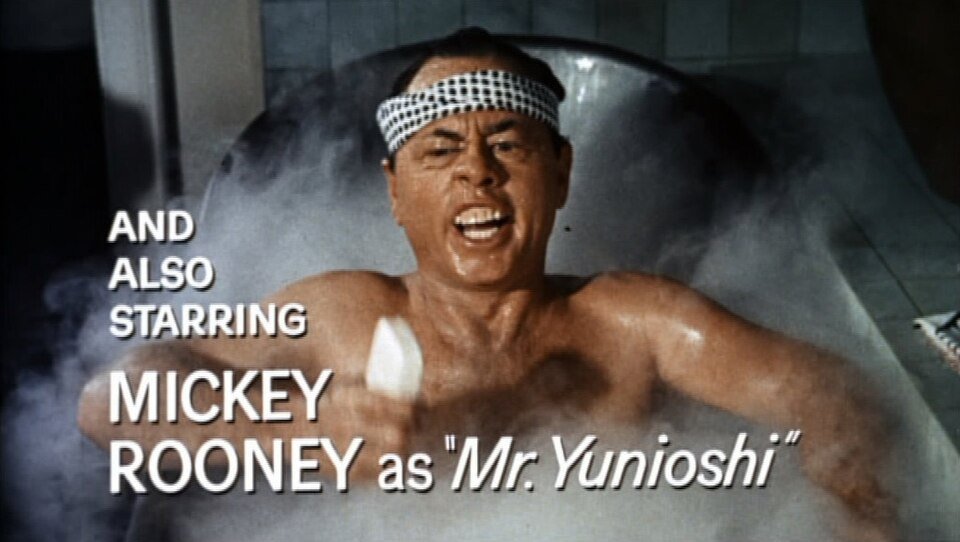
Even as yellowface faded, the underlying assumptions did not disappear. Asian characters were recast into new archetypes: the inscrutable villain, the submissive woman, the hyper-competent but emotionally flat professional. Intelligence was allowed, sexuality was not. Presence was permitted, interior life was withheld.
This pattern can be seen across genres. In action films, Asian men were often martial artists rather than romantic leads. In comedies, Asian characters became punchlines or cultural outsiders. In dramas, they were rarely positioned as universal protagonists whose stories audiences were expected to emotionally inhabit.
Romantic exclusion has been especially pronounced. For decades, Asian men in particular were rarely portrayed as desirable or romantically viable. Asian women, by contrast, were often sexualised but stripped of narrative power, positioned as exotic or submissive rather than complex individuals. These imbalances shaped not just storytelling, but public perception.
The late 20th and early 21st centuries brought incremental change, but often in constrained ways. Films featuring Asian characters were frequently framed as “Asian stories” rather than stories, marked as niche rather than universal. Success was treated as exceptional rather than foundational.
This framing became especially visible in conversations around films like Crazy Rich Asians. The film was widely celebrated as a breakthrough, and in many ways it was. It featured an all-Asian principal cast in a mainstream Hollywood romantic comedy, something that had not happened at that scale in decades. But the reaction to its success also revealed how low the bar had been set. One film was treated as proof of progress rather than as a starting point.
Similarly, Minari was praised for its tenderness and specificity, yet much of the discourse around it framed the film as foreign, despite being an American story made by American filmmakers. Its categorisation as “international” by some awards bodies highlighted how Asian American narratives are still positioned as adjacent to, rather than part of, the national cultural story.
Representation problems also persist behind the camera. Asian writers, directors, and producers remain underrepresented in decision-making roles, which affects what kinds of stories are told and how they are framed. When creative control is limited, representation tends to rely on familiar tropes rather than lived nuance.
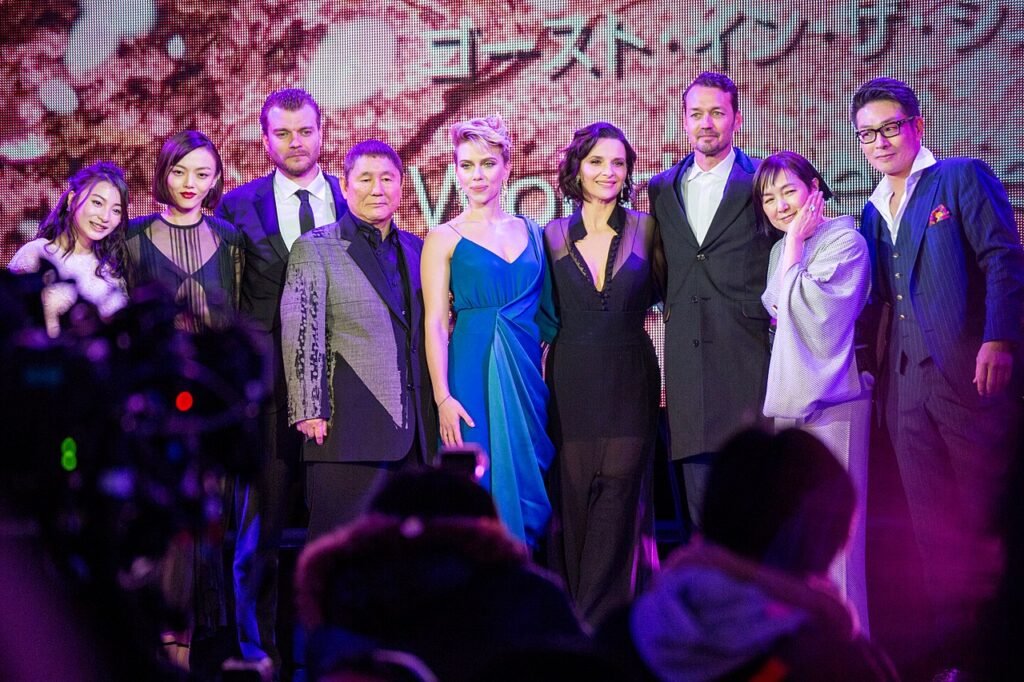
Whitewashing remains another recurring issue. Films such as Ghost in the Shell and Aloha became flashpoints for criticism after casting white actors in roles rooted in Asian or Pacific Islander identity. These controversies were not simply about casting choices. They reflected deeper industry assumptions about who is considered bankable, relatable, or central.
In recent years, there have been genuine signs of movement. Asian-led films and television shows have achieved critical and commercial success. Streaming platforms have opened space for stories that might once have struggled to find backing. Asian actors are increasingly visible in genres beyond historical drama or martial arts.
But progress remains uneven. For every celebrated success, dozens of projects revert to safer patterns. Representation expands in moments, then contracts. Visibility increases, but power does not always follow.
Representation Watch views Asian representation in film as a case study in how progress can coexist with persistence. Change has occurred, but it has not yet disrupted the structures that produced exclusion in the first place. Stereotypes soften, but assumptions remain. Presence increases, but centrality is still contested.
True representation is not about occasional breakthroughs or symbolic firsts. It is about consistency. It is about allowing Asian characters to exist across genres, tones, and narratives without explanation or novelty. It is about Asian creatives having sustained access to authorship, not just moments of recognition.
Film does more than reflect culture. It helps define whose stories are treated as universal and whose are treated as conditional. For much of cinema history, Asian stories have been filtered through limitation and expectation. The work now is not just to include more faces, but to expand the range of lives those faces are allowed to live on screen.
That shift is still unfinished. And until it is, representation will remain something that has to be argued for, rather than something assumed.


.jpg)