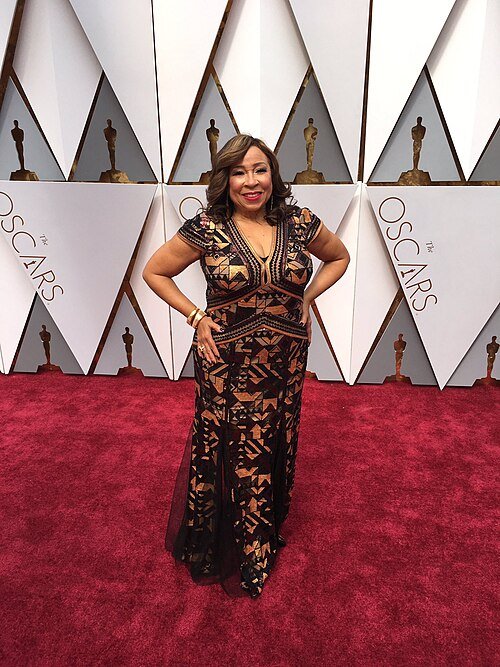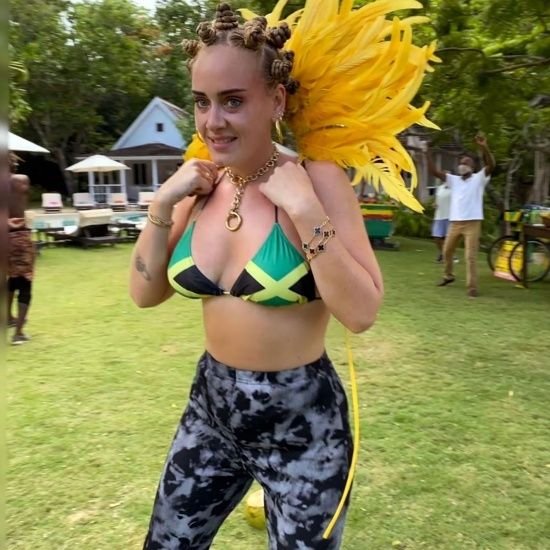
Casting is often described as a creative decision. In practice, it is also a gatekeeping mechanism. Who is cast determines who is seen, who gains career momentum, and whose experiences are treated as credible enough to anchor a story.
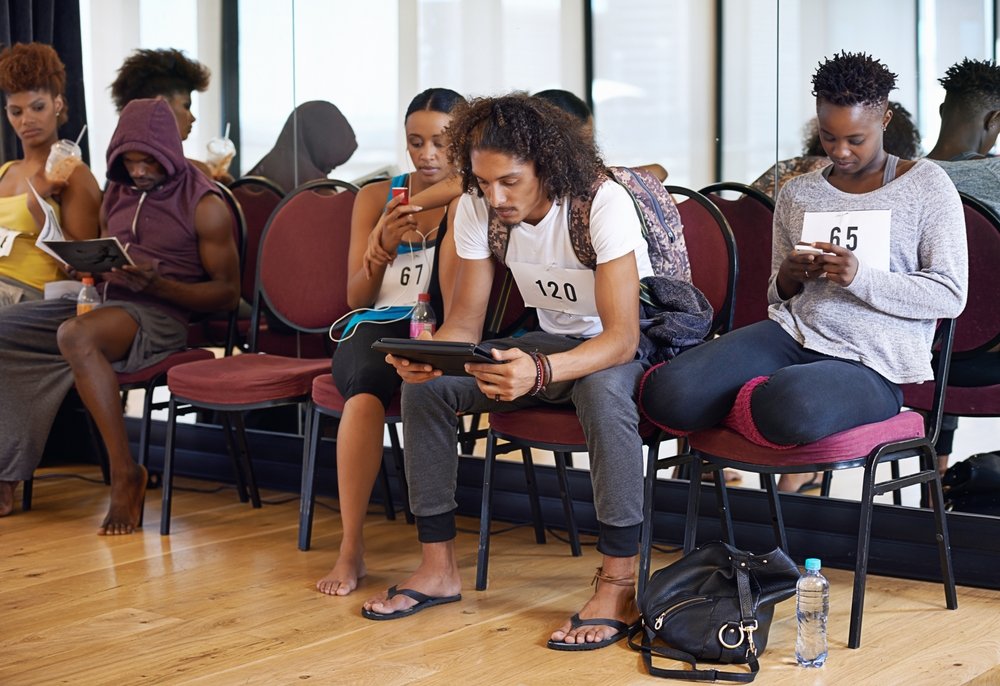
Representation Watch examines casting not as an isolated artistic choice, but as part of an ecosystem shaped by habit, risk aversion, and unequal access. Patterns repeat across genres and decades. Certain bodies are trusted to carry complexity, romance, authority, and interior life. Others are confined to background roles, stereotypes, or stories of limitation.
Access to opportunity begins long before auditions. It is shaped by who agents represent, which performers are deemed “marketable,” and which identities are seen as too specific to appeal broadly. When casting favors familiarity over fit, representation narrows quietly and persistently.
A recurring issue is substitution. Roles written for marginalized characters are often given to performers who are adjacent to that identity but closer to dominant norms. This practice is frequently defended as pragmatic or commercial, yet it systematically excludes those whose lived experience the role is meant to reflect. Over time, this creates a feedback loop in which underrepresented performers are denied the very opportunities that would make them visible, viable, or bankable.
Casting practices also shape genre boundaries. Disabled actors are rarely placed in romantic or professional storylines. Fat actors are sidelined from desire. Darker-skinned performers are passed over for roles requiring empathy or softness. Trans and nonbinary actors are restricted to narratives that explain their identity rather than allowing them to exist beyond it.
Representation Watch tracks these patterns across film, television, advertising, and digital media. We examine how casting decisions affect not just individual careers, but the stories audiences are repeatedly offered. Casting determines whose humanity is treated as universal and whose is treated as conditional.
Our focus is not on individual blame, but on structural outcomes. When access to opportunity is uneven, representation becomes distorted. Casting is where inclusion either begins or quietly fails.