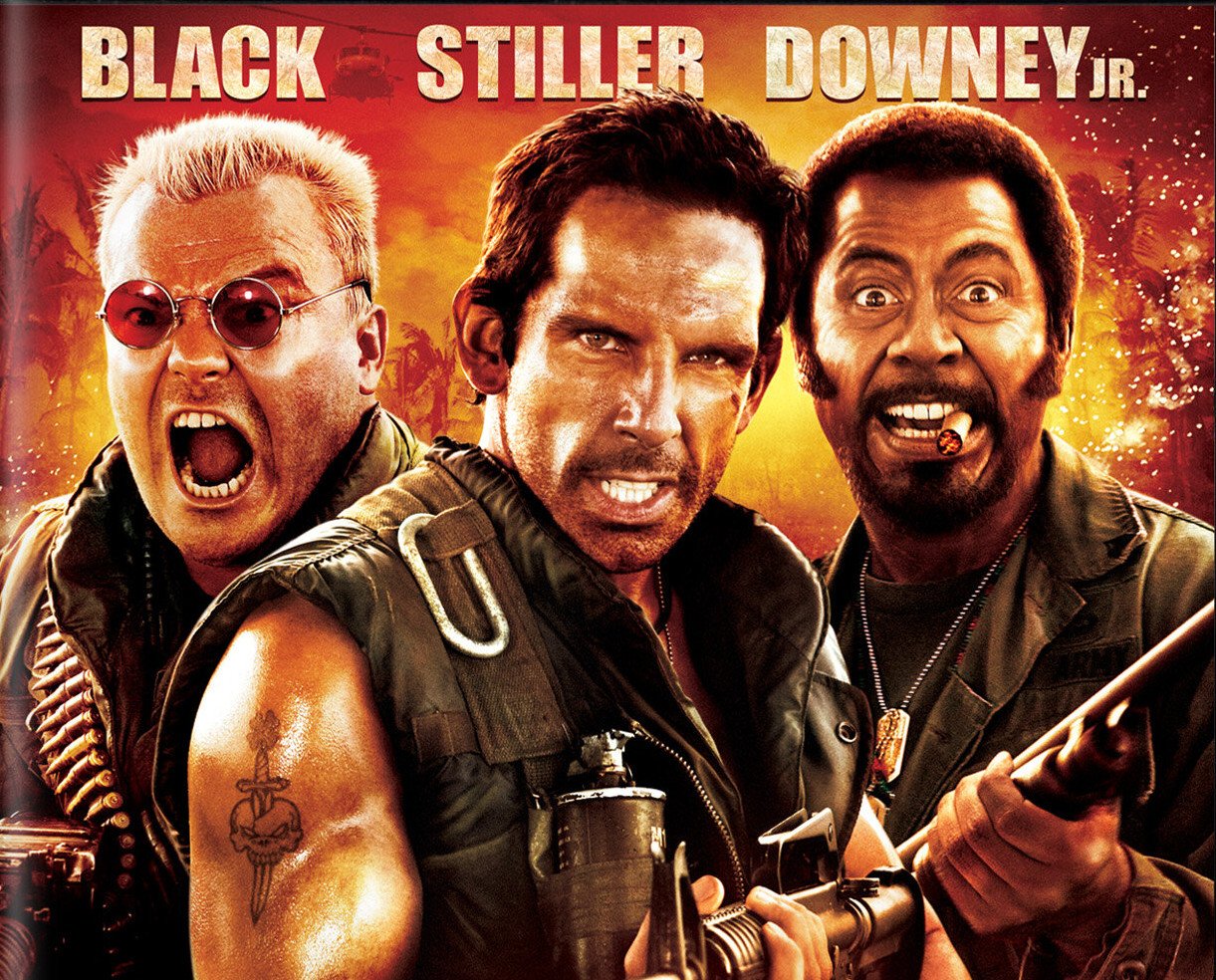
There aren’t many films from the late 2000s that provoke as much ongoing debate about representation as Tropic Thunder. Upon its release, the film was widely described as a satire of Hollywood excess, ego, and method acting. Central to that satire was the character Kirk Lazarus, played by Robert Downey Jr., an Australian actor who undergoes a fictional procedure to darken his skin in order to play a Black character. The defence offered then, and repeated since, is familiar: the blackface was “the point,” meant to mock white actors and the industry’s blind spots.
Representation Watch does not accept that justification.
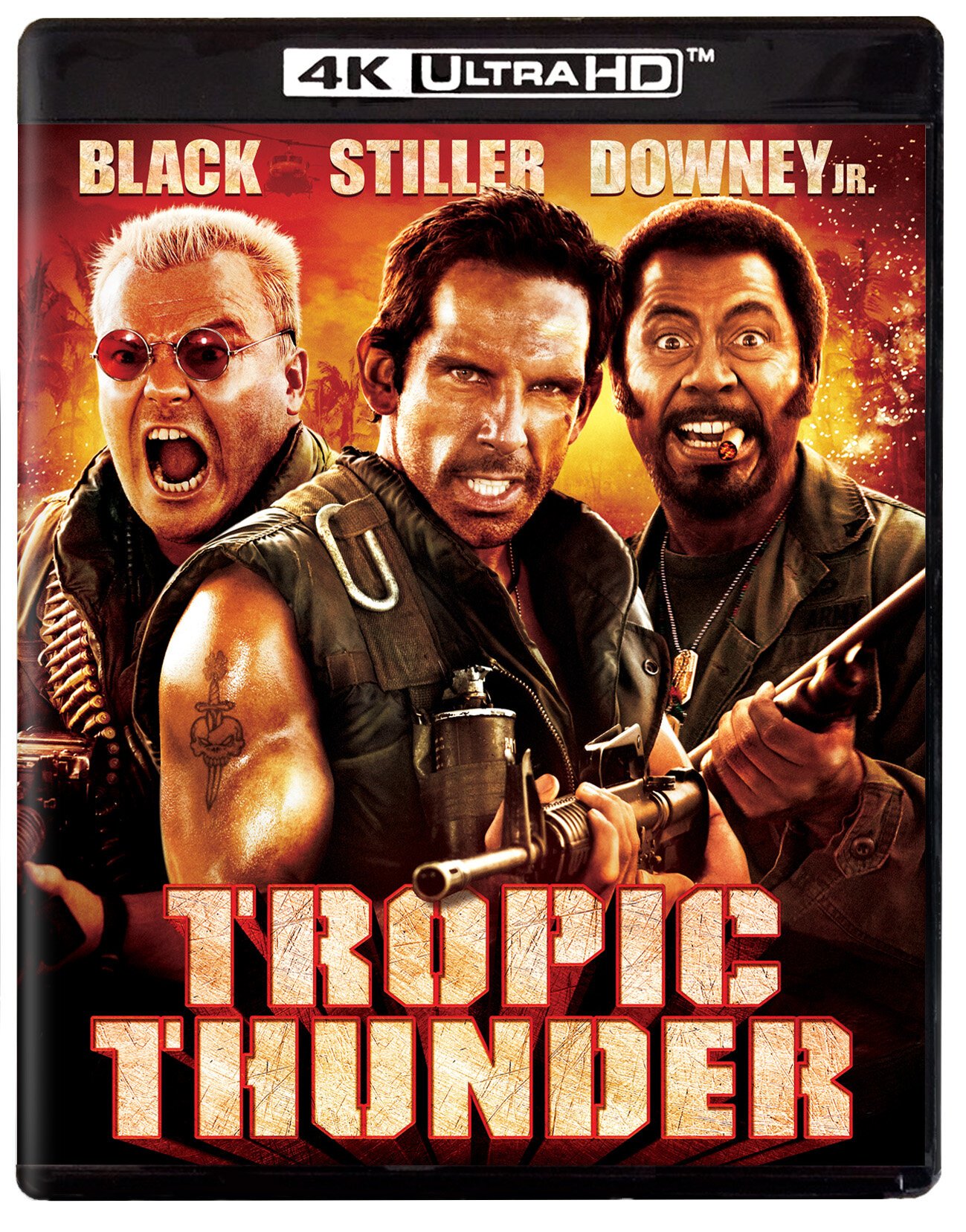
Blackface has a long, violent history tied to ridicule, exclusion, and dehumanisation. It is not a neutral visual device that can be cleansed through intent or irony. When it appears on screen, it carries that history with it, regardless of how self-aware a script claims to be. Satire does not erase context. In many cases, it relies on it.
Supporters of Tropic Thunder often argue that the film is laughing at the character, not at Black people. That distinction is presented as decisive. But representation does not operate only at the level of authorial intent. It operates at the level of what is shown, repeated, and normalised. The image of a white actor in blackface, played for laughs and awarded prestige, does not become harmless because the script winks at the audience.
The problem is not simply that blackface appears. It is how it is framed, who benefits from it, and whose discomfort is treated as acceptable collateral.
At the time of release, Tropic Thunder was defended by many critics as clever and daring. Downey Jr.’s performance was praised, and he received major award nominations. That reception matters. It shows how easily transgressive imagery is forgiven when it is wrapped in technical skill, celebrity, and humour that flatters the audience’s sense of sophistication.
Meanwhile, Black audiences were once again placed in a familiar position: expected to tolerate imagery that echoes historical abuse, because the film claims to be doing something smarter than it appears to be doing.
One of the most persistent arguments in defence of the film is that “it could not be made today.” This is often framed as a lament about oversensitivity or the decline of comedy. Representation Watch sees it differently. The reason such a choice is now more openly criticised is not because audiences have lost their sense of humour, but because they have gained a clearer understanding of harm.
Comedy is not exempt from responsibility. Satire that relies on racist imagery still circulates that imagery. It still asks audiences to sit with it. And it still rewards those who deploy it with attention, acclaim, and profit.
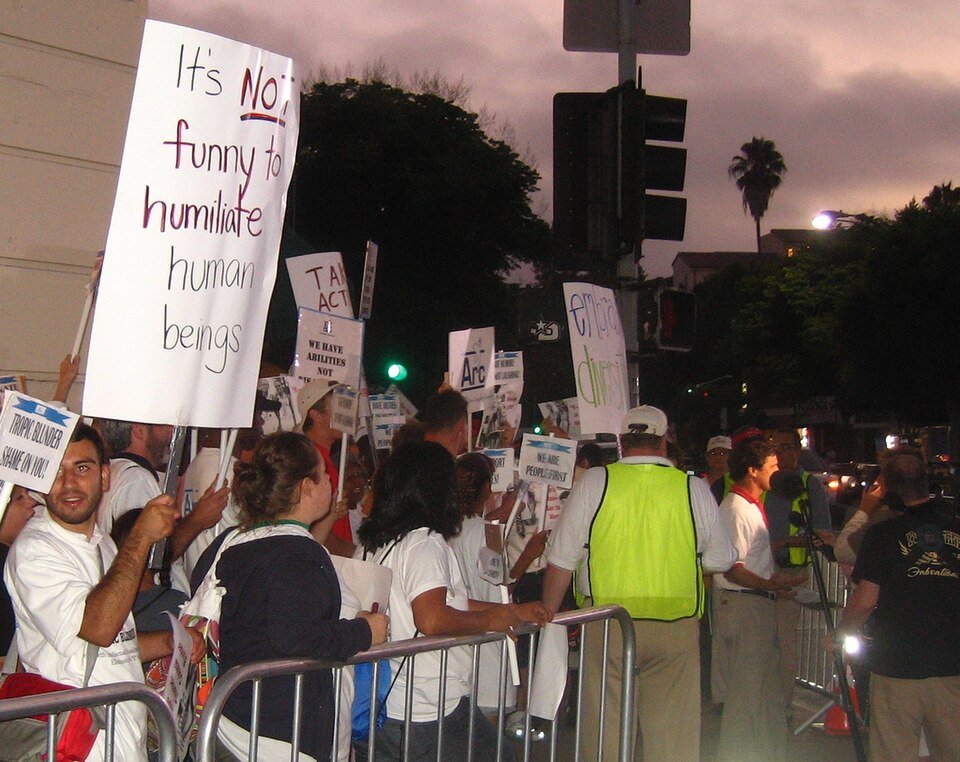
Another common defence is that Tropic Thunder included a Black character who challenges the Lazarus character within the film, supposedly neutralising the harm. But internal critique does not cancel external impact. A script acknowledging its own problem does not automatically resolve it. Too often, this kind of self-awareness functions as insulation, allowing creators and audiences to feel absolved without changing the underlying dynamic.
There is also a broader industry context to consider. Hollywood has a long history of centring white performers even in stories about marginalised groups, while Black actors continue to face limited access to complex roles. In that environment, giving a white actor the space to perform blackface as a meta-commentary is not a neutral experiment. It reinforces existing hierarchies under the guise of critique.
Representation Watch is not arguing that Tropic Thunder should be erased from history. Nor are we interested in retroactive purity tests. What we are interested in is honesty. Specifically, honesty about why certain defences persist, and who they serve.
The film is often defended most passionately by people who are not affected by blackface imagery. That, too, is a pattern. Discomfort is unevenly distributed, and so is the authority to dismiss it. When harm is theoretical for some and lived for others, claims of harmless intent ring hollow.
The question is not whether the filmmakers meant well, or whether the performance was technically impressive. The question is whether the use of blackface was necessary, justified, or acceptable given its history and impact. Representation Watch’s answer is no.
Satire that punches down, even indirectly, is not made safe by clever framing. Critiquing racism by reproducing its most recognisable imagery is a risky choice, and in this case, one that fails to account for the weight of what it invokes.
If Tropic Thunder were released today, the backlash would not be evidence of cultural regression. It would be evidence of increased awareness. Awareness that some lines are not arbitrary. Awareness that representation choices matter even when they are ironic. Awareness that comedy does not exist outside history.
The continued defence of Tropic Thunder as an untouchable example of “how satire used to work” reveals more about what audiences have been willing to excuse than about the film’s actual insight. Progress in representation often begins when those excuses are no longer accepted as sufficient.
Representation Watch believes that acknowledging harm does not diminish art. It clarifies it. And in the case of Tropic Thunder, clarity requires saying plainly that blackface, even when framed as satire, remains unacceptable, and that repeating old justifications does not make it otherwise.
The conversation is not about banning laughter. It is about recognising when laughter comes at a cost that others are expected to absorb.