Disability appears in film and television far more often than it used to. That progress is real, and it matters. But look closer at how disabled characters are positioned and a pattern quickly emerges. Disability is present almost exclusively when the story is about disability. When the plot is not about struggle, recovery, inspiration, or tragedy, disabled people quietly disappear.
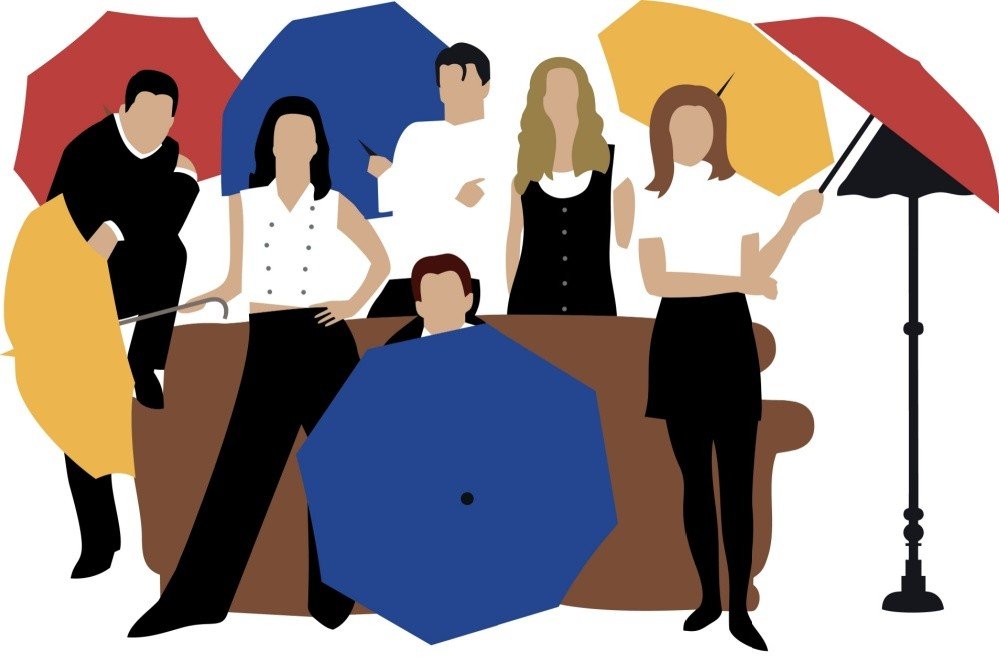
Everyday life on screen is full of ordinary roles. Coworkers flirting in break rooms. Friends gossiping on sofas. Parents rushing through dinner. Neighbors arguing over parking spaces. These scenes are everywhere. Disabled characters are not.
When disabled people do appear, they are usually introduced with narrative weight. Their disability must mean something. It must teach a lesson, motivate another character, or generate emotional gravity. The wheelchair user exists to inspire. The chronically ill character exists to be brave. The neurodivergent character exists to be exceptional. There is very little space for a disabled person who is simply there.
This absence has consequences. It reinforces the idea that disability is incompatible with normalcy. That disabled people exist outside the rhythms of everyday social life. That they only belong in stories when their bodies or minds are the point.
Consider workplace dramas and sitcoms. These genres thrive on repetition and routine. They are ideal spaces to normalize difference. Yet disabled characters are rarely embedded into the fabric of these shows. When they are introduced, they tend to arrive with a special arc and leave once it is resolved. They are guests in everyday life, not residents.
Even shows praised for diversity often fall into this trap. They may include disabled characters in singular episodes or special storylines, but those characters rarely return as recurring figures with evolving relationships. Contrast this with how non-disabled characters are treated. They are allowed to be boring, annoying, inconsistent, selfish, romantic, and background noise all at once. Disabled characters are rarely afforded that range.
Another issue is genre containment. Disability stories are often pushed into specific narrative boxes. Medical dramas, biopics, issue-driven films. These are important genres, but they should not be the only places disability exists. Disabled people also fall in love, work unremarkable jobs, raise children, make bad decisions, and show up late to meetings. When media ignores these realities, it quietly suggests that disability is incompatible with ordinariness.
There is also a casting feedback loop at work. Writers do not write disabled characters into everyday roles because they assume it will complicate production. Producers avoid those complications, so actors with disabilities are rarely seen in casual or background roles. That invisibility then becomes justification for continued exclusion. The absence starts to feel natural, even though it is entirely constructed.
When disability is present only as spectacle or lesson, audiences are trained to see disabled people as exceptions rather than peers. This shapes real-world interactions. It affects how employers imagine disabled coworkers. It influences how strangers respond to disabled people existing in public spaces. Representation does not just reflect reality. It teaches people what to expect.
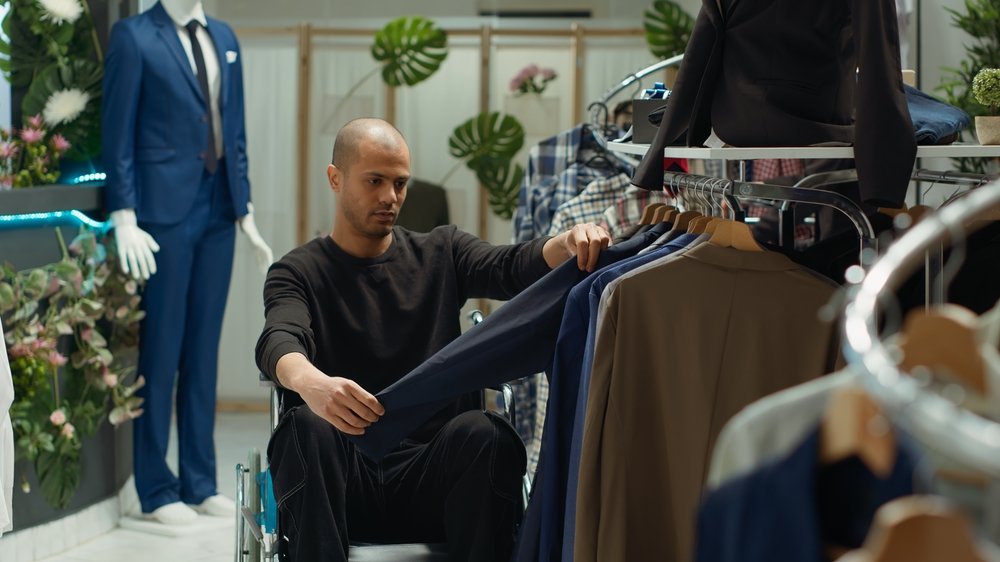
There are glimpses of a different approach. Occasionally, a show will include a disabled character whose presence is not explained, justified, or centered as a problem. These moments are often subtle. A character who uses a mobility aid and also has office politics to navigate. A deaf character who is part of a friend group without the plot revolving around communication barriers. These portrayals matter precisely because they are unremarkable.
Representation Watch argues that visibility without normalcy is incomplete. Disabled characters should not have to earn their place in everyday stories by being exceptional or instructive. They should be allowed to exist in the background, in the margins, and in the mundane. Not every appearance needs to carry symbolic weight.
Everyday roles are where culture quietly decides who belongs. Until disabled people are allowed to occupy those spaces on screen, representation will remain conditional. Present, but not integrated. Seen, but not assumed.